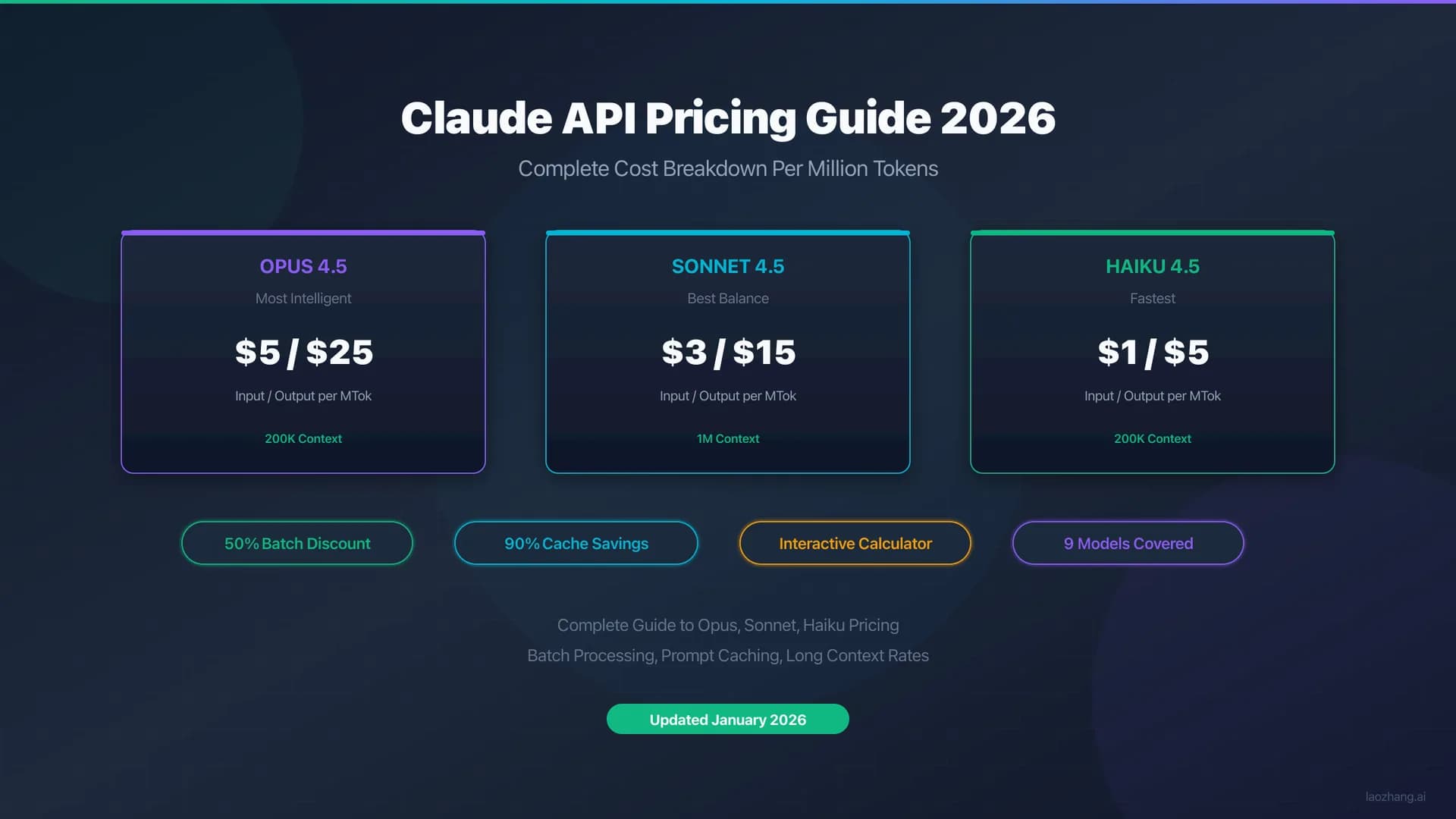
Anthropic Quietly Adjusts Claude Code Pricing, Clarifying Confusion Around the $100/Month Price
Anthropic's silent update to Claude Code pricing has caused confusion about its actual cost. Contrary to initial assumptions, this premium service is likely not charged at $100 per month, a crucial detail for French-speaking users accustomed to AI subscription models.
Anthropic recently modified the pricing page of its AI assistant, Claude, without any official statement or visible announcement. This update, detected by Simon Willison, a recognized tech ecosystem specialist, concerned the availability and cost of the Claude Code service, an advanced feature dedicated to AI-assisted development. Although discreet, the change quickly sparked some confusion about the exact pricing, particularly regarding the fact that Claude Code would only be accessible in the "Max" subscription and not in the "Pro" plan at $100 per month, as some had assumed.
This modification, visible in a screenshot of the pricing grid, was briefly reversed, highlighting the persistent ambiguity around Claude Code's pricing positioning. For the French audience, accustomed to clear subscription models often including all major features in a single premium plan, this uncertainty reveals a strategic positioning still evolving at Anthropic.
Claude Code: a dedicated but not necessarily expensive tool
Claude Code represents a notable advancement in integrating AI into software development, offering assisted code generation capabilities with a significant level of sophistication. However, the idea that it could incur an additional monthly cost of around $100 was quickly questioned. According to available information, all main plans are offered with the same general features, except for some specific modules like Claude Code, reserved for the highest subscription tier, "Max."
This pricing structure contrasts with other players in the AI market, where access to advanced tools is often included in standard professional or premium plans. In France, this positioning could influence how companies and developers adopt these technologies, carefully evaluating the cost/benefit ratio, especially for regular or intensive use.
The confusion around the price was exacerbated by the fact that the main information page on plans was not updated simultaneously, leaving internet users to consult outdated or contradictory data. This situation highlights the need for Anthropic to improve the clarity and consistency of its pricing communication, especially for a European market where transparency of offers is a strong expectation.
Why this pricing strategy?
Anthropic adopts a segmented approach, reserving access to the most advanced features, such as Claude Code, for "Max" subscribers. This tactic can be explained by the desire to highlight advanced capabilities while maintaining an affordable entry point for less intensive or individual users via the "Free" or "Pro" plans.
In a competitive context where OpenAI, Google, and other players offer subscription models with varying inclusions, Anthropic seems to seek positioning as a premium provider focused on the quality of tools and their technical specialization. For the French market, this means a clear strategic choice between costs and features, with particular attention to professional uses and demanding developers.
Consequences for the European and French AI landscape
This pricing evolution comes as France and Europe intensify their efforts to adopt and regulate artificial intelligence technologies. Having a tool like Claude Code, even at a potentially high price, represents an opportunity for French companies to strengthen their competitiveness, especially in technological sectors and assisted programming.
However, pricing clarity is essential to accelerate adoption and avoid hesitation linked to costs perceived as excessive or poorly explained. Anthropic's approach, still being adjusted, will need to meet European standards for commercial transparency, under penalty of slowing its local development.
A historical context marked by strong competition in the AI assistant market
For several years, the AI assistant sector has experienced rapid growth, driven by major players like OpenAI, Google, and Anthropic. Each seeks to establish itself by offering innovative features, with particular attention to integration into development environments. The launch of Claude Code fits into this dynamic, aiming to provide a powerful solution for developers seeking intelligent assistance in writing and correcting code.
In this context, pricing policy becomes a crucial lever to attract and retain users. Competition is all the more intense as developers' expectations evolve rapidly, demanding tools that are both powerful, accessible, and transparent in terms of costs. Anthropic, through its positioning, seeks to differentiate itself by offering high-end features, which may explain the observed pricing segmentation.
Tactical stakes for Anthropic and its users
The decision to reserve Claude Code for the "Max" subscription reflects a strategy aimed at positioning this feature as a differentiating asset, justifying a higher price level. For users, this segmentation implies a thorough reflection on their real needs and their ability to invest in advanced tools. Developers and companies will need to weigh the impact of this decision on their budget and workflows, depending on the expected intensity of use.
From Anthropic's side, this tactic could strengthen the premium brand image but also risks limiting the rapid dissemination of Claude Code among a broader user base. It is therefore a delicate balance between perceived exclusivity and mass adoption, a key issue in a sector where integration speed is a determining factor.
Perspectives and impact on the future development of the offer
The recent confusion around pricing highlights the need for Anthropic to clarify its communication and consider a possible evolution of its subscription plans. Better consistency between information pages and increased transparency could facilitate adoption, especially by European users sensitive to these aspects.
Moreover, the impact of this strategy on Anthropic's ranking and popularity of its offers could be measured in the coming months, depending on user feedback and adjustments made. The company will need to remain attentive to market developments and the specific expectations of developers to maintain its competitiveness and relevance in a rapidly changing sector.
In summary
Anthropic's recent pricing update, although discreet, highlights the challenges faced by AI providers in crafting offers that are both attractive and profitable. The confusion around Claude Code's price shows that communication is also a key element of commercial success, particularly in a demanding European market.
For the French audience, accustomed to a clear and progressive offer, Anthropic's positioning requires close monitoring, especially regarding the actual availability and real cost of advanced features. Meanwhile, information remains partial and subject to change, which calls for caution and vigilance regarding financial commitments related to these technologies.
Unconfirmed information at this stage: the exact price of Claude Code and the precise terms of its access remain subject to clarification. Anthropic will likely need to adjust its communication to better support its French-speaking users in adopting its tools.