
tech
Deepfake and AI Racialization: How TikTok Influencers Exploit Racism to Sell Shein Products
TikTok influencers are using AI to create fake Black profiles to promote Shein's low-quality products. This practice raises ethical questions about racialization and the exploitation of Black communities.
IA
samedi 30 mai 2026 à 13:365 min
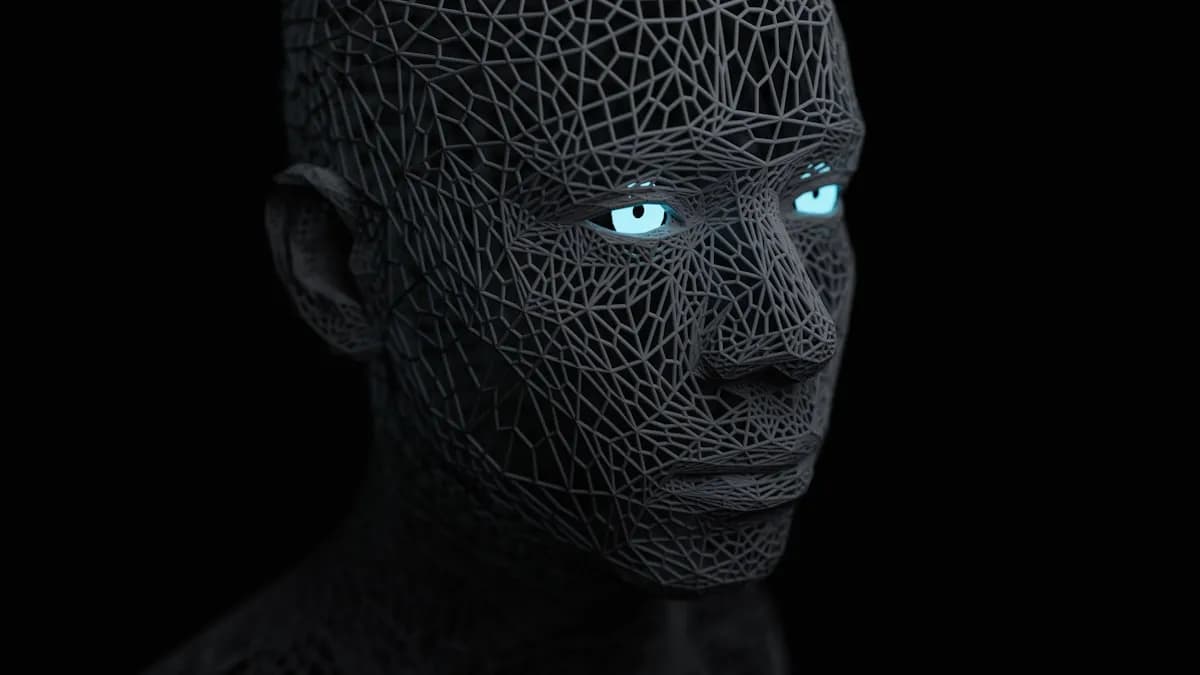
Ethical Concerns: Exploiting Racism for Profit
This practice raises serious ethical questions. By creating fake Black influencers, fraudsters capitalize on racial biases and the curiosity of internet users toward Black personalities. These profiles not only deceive TikTok users but also trick the algorithms themselves into recommending them as authentic content. As noted in an article published on The Verge, 'Aliyah, a light-skinned Black woman dressed in country-western gear, is struggling to sell metal buckles she handmade on TikTok. In a video for the social media platform from March, she cries to the camera and pleads for views: 'Even as a black woman, I have more faith that white women will stay 13 seconds [on the video]''. This example highlights the challenges authentic Black influencers already face in gaining visibility on social media and how AI-generated profiles could exacerbate this issue.Implications for E-commerce and Social Media
These scams reveal a flaw in platform moderation systems. Current algorithms struggle to detect AI-generated profiles, allowing fraudsters to operate with impunity. While brands like Shein are not directly involved, they risk being associated with such practices if their products are used in this context. Social media platforms must invest in more effective detection solutions to identify these AI-generated profiles. This could include using machine learning techniques to analyze user behaviors and content, as well as implementing stricter moderation policies to prevent the spread of misleading content.The Reaction of Black Influencers and Users
Authentic Black influencers have expressed anger and frustration over this trend. Not only do these scams divert attention from genuine influencers, but they also reinforce racial stereotypes and biases. Campaigns to raise awareness about the dangers of AI-generated profiles are beginning to emerge on social media. Users should be aware of this practice and take steps to verify the authenticity of the profiles they follow. This could involve checking profile information, searching for evidence of the influencer's real existence, and reporting suspicious content to social media platforms.Future Outlook: Where This Trend Could Lead
This practice serves as a cautionary tale about the use of AI to manipulate social media. As deepfake technology advances, it becomes increasingly difficult to distinguish between real and fake content. Platforms must invest in more effective detection solutions, while users must remain vigilant and informed about such content. AI developers must also consider the ethical implications of their work and ensure that their creations are not used to manipulate or deceive people. Businesses using social media to promote their products should be aware of these practices and take steps to avoid being associated with misleading content. Ultimately, it is essential that social media platforms, AI developers, and users collaborate to prevent the spread of misleading content and promote responsible use of AI technologies.Was this article helpful?
Commentaires
Connectez-vous pour laisser un commentaire