Praktika Revolutionizes Language Learning with Adaptive GPT-4.1 and GPT-5.2
Praktika deploys a new generation of personalized AI tutors, leveraging GPT-4.1 and GPT-5.2 to offer tailor-made language courses, track progress, and aim for practical mastery. A significant breakthrough in AI-assisted learning.
Praktika Unveils Adaptive Language Tutors Based on GPT-4.1 and GPT-5.2
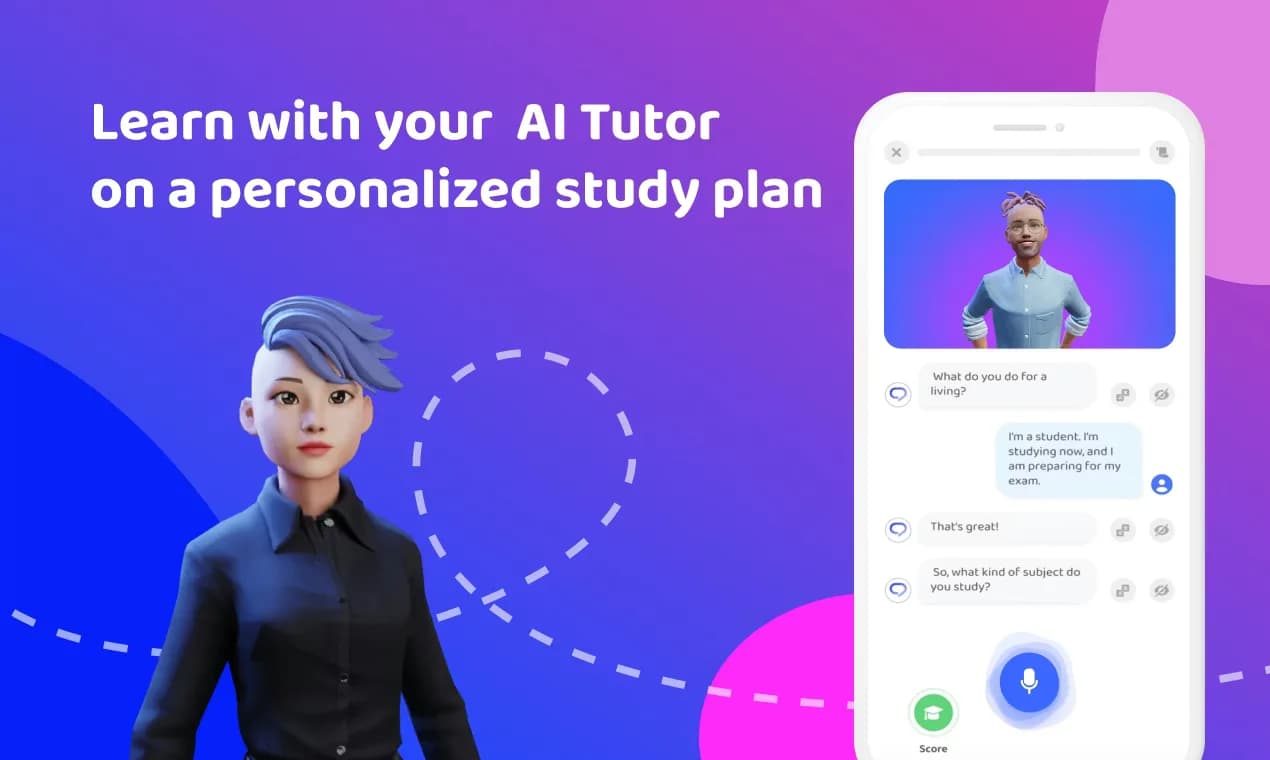
The startup Praktika is innovating in the language learning sector by launching a conversational artificial intelligence solution integrating GPT-4.1 and GPT-5.2 models. This combination aims to create digital tutors capable of adapting lessons according to each learner's profile and level, while providing detailed tracking of their progress. This initiative illustrates a significant evolution towards more personalized and practical learning experiences.
Relying on these cutting-edge technologies developed by OpenAI, Praktika offers an approach that goes beyond often rigid traditional methods. Their system harnesses the power of GPT models to generate natural and relevant dialogues, tailored to the context of the target language's use.
Personalized Language Immersion for Lasting Mastery
The integration of GPT-4.1 and GPT-5.2 allows Praktika to design dynamic educational pathways, adjusting difficulty, vocabulary, and exercises according to individual progress. Users thus benefit from a learning environment that simulates real conversations, promoting smoother and more spontaneous acquisition.
Continuous performance tracking is at the heart of this innovation: the AI analyzes errors, hesitations, and successes to propose targeted activities and reinforce knowledge. This adaptive method aims to reduce dropout rates, a major challenge in online language learning.
Compared to earlier versions, notably GPT-3, the new GPT-5.2 iteration offers improved contextual understanding and response capability, enabling more natural and engaging interactions. This technical evolution represents an important lever for enriched educational applications.
Underlying Architecture and Technical Innovations
The GPT-4.1 and GPT-5.2 models used by Praktika are based on very large-scale neural network architectures, trained on diverse multilingual corpora. This foundation ensures a fine understanding of linguistic and cultural nuances specific to each language taught.
Praktika notably leverages reinforcement learning and fine-tuning mechanisms to adapt the AI to specific educational needs. These techniques enhance the system's ability to generate relevant content, correct errors in real time, and simulate authentic conversational situations.
This innovative approach marks a turning point in how AI can support learning by combining computational power and pedagogical subtlety.
Accessibility and Usage Modalities
Praktika's language tutors are available via an online platform accessible through subscription. The offer targets both individuals wishing to improve their language skills and educational institutions seeking to integrate AI into their curricula.
An API access is also offered, allowing developers and companies to integrate these tools into their own applications or services. This flexibility encourages varied deployment, ranging from autonomous learning to customized corporate solutions.
A Significant Advancement in the AI-Assisted Learning Ecosystem
In a market where AI language learning solutions are multiplying, Praktika stands out by its ability to combine two generations of GPT models to offer a highly adaptive and effective experience. This dual integration is still rare and marks notable progress in personalization and tracking.
For French and European stakeholders, this innovation opens interesting prospects in digital education, where mastery of foreign languages remains a major strategic challenge. The technologies offered by Praktika could inspire similar initiatives or local partnerships to enrich training offerings.
Our Analysis: Promising Potential with Challenges Ahead
Praktika illustrates a global trend towards increasingly sophisticated AI tutors capable of adapting educational content in real time. While early feedback highlights the effectiveness of these tools in supporting motivation and progress, several questions remain open, notably regarding managing the diversity of learner profiles and ensuring consistently relevant interaction.
Moreover, reliance on proprietary models like GPT-5.2 raises questions about the autonomy of educational actors and digital sovereignty. The challenge will be to combine technological innovation with responsible integration into education systems, so these tools benefit the widest audience.
Historical Context and Evolution of Digital Language Tutors
The use of artificial intelligence in language learning is not new, but it has seen major acceleration in recent years. Initially, tools were limited to static exercises and basic corrections, often unengaging for learners. With the emergence of advanced language models, conversational tutors have taken a leap forward, now offering dynamic and contextualized interactions.
Praktika fits into this continuity, combining the latest technological advances to create a system that not only dialogues with the user but continuously adapts to their needs. This evolution reflects a strong trend towards learner-centered pedagogy, where the experience is both immersive and individualized.
Pedagogical and Tactical Challenges in Adaptive Learning
The AI's ability to adjust content based on learner errors and preferences raises major pedagogical issues. It is about finding a balance between challenge and support to maintain motivation without causing frustration. Praktika relies on algorithms that finely analyze responses to adapt not only difficulty but also learning style, favoring, for example, concrete situational exercises or targeted vocabulary drills.
This tactical approach aims to optimize learning time and prepare users for real language use, whether oral or written. By simulating natural conversations and adjusting progression, Praktika encourages faster and more durable assimilation, thus meeting the expectations of a varied audience, from beginners to advanced learners.
Impact on Learning Prospects and Future Development
The combined integration of GPT-4.1 and GPT-5.2 positions Praktika as an innovative player capable of meeting the growing demands of the digital education market. This dual technology opens prospects to further enrich interactions by improving personalization and responsiveness of AI tutors.
In the longer term, an extension of these tools to other educational fields can be envisaged, where fine adaptation to user profiles is crucial. The ability to provide immediate, contextualized, and motivating feedback could transform traditional teaching methods, paving the way for more inclusive and accessible education.
In Summary
Praktika offers an innovative language learning solution, combining GPT-4.1 and GPT-5.2 models to deliver adaptive and conversational tutors. This initiative marks an important step towards increased personalization of educational pathways, thanks to technology capable of tracking and adjusting learners' needs in real time. While challenges related to profile diversity and digital sovereignty remain to be addressed, the potential of this approach is undeniable for transforming the digital education ecosystem.