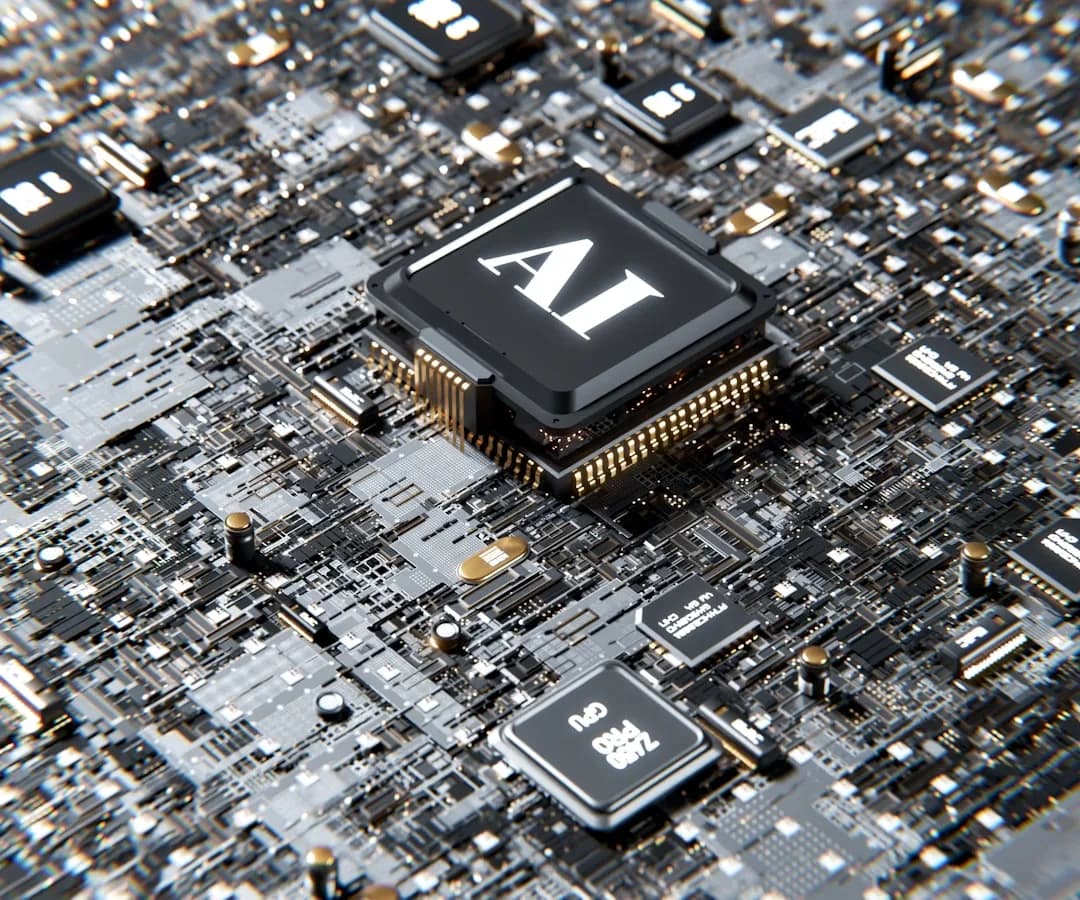
Samsung Faces Strikes: Global RAM Shortage Risk Could Worsen
The RAM shortage, already exacerbated by demand from AI data centers, could intensify due to wage protests at Samsung. This potential crisis threatens to impact the availability and prices of smartphones, consoles, and electronic equipment in France.
Social tensions threaten RAM production at Samsung
As global demand for RAM memory reaches new heights, particularly driven by data centers dedicated to artificial intelligence, Samsung, the undisputed leader in memory chip manufacturing, is facing a significant labor movement. South Korean employees are demanding more competitive wage increases compared to their direct competitor SK Hynix, notably the removal of the bonus cap, leading to strikes and production slowdowns.
This situation arises while the market is already tight: shortages are affecting prices of several popular electronic products in France, from high-end smartphones to gaming consoles like the PlayStation 5, not to mention consumer devices such as the Raspberry Pi, widely used by technology enthusiasts and professionals.
Samsung and SK Hynix: a strategic rivalry at the heart of the memory market
Samsung and SK Hynix hold a dominant position in the global memory component supply chain. Samsung maintains a leading position thanks to its production capacity and technological edge, but SK Hynix remains a formidable rival, especially in the DRAM and NAND memory segments. Competition plays out not only in innovations but also in wage conditions and talent retention, which partly explains the current demands of Samsung employees.
In France and Europe, where local chip production remains limited, dependence on these Asian manufacturers is strong. Any disruption at Samsung therefore has immediate repercussions on the availability and costs of electronic products. The recent rise of AI infrastructures intensifies this pressure, amplifying demand for fast and large memory.
Pressures exacerbated by a context of strong AI demand
The rapidly expanding artificial intelligence sector is a major driver of demand for RAM and other components. Data centers dedicated to training and deploying AI models require enormous quantities of often specialized, high-performance RAM. This dynamic has already caused price increases on international markets, impacting the value chain down to end consumers.
Consequently, even the slightest production interruption, such as that caused by strikes at Samsung, can trigger a domino effect on prices and delivery times. In France, where consumers and businesses largely depend on these Asian suppliers, this situation is particularly concerning.
Tensions in the RAM market could also slow the availability of emerging technologies and innovative products, indirectly hindering the competitiveness of local tech industries that rely on these components to develop smart solutions.
Consequences for consumers and manufacturers in France
For French users, this potential crisis translates into price increases on highly sought-after electronic products. Smartphones, especially those equipped with high-end configurations, could see their costs rise, while gaming consoles, already under strain, could face more frequent supply shortages.
Similarly, small manufacturers and hobbyists using microcomputers like the Raspberry Pi may encounter difficulties sourcing memory modules, slowing the development of educational or professional projects related to AI and IoT.
A warning signal for the semiconductor industry
This crisis at Samsung illustrates the critical interdependence between social conditions, industrial capacity, and global supply of essential components. It highlights the vulnerability of supply chains to human and geopolitical factors, in a context where demand for RAM continues to grow.
In Europe, this situation revives debates on the need to invest in greater technological sovereignty, particularly in the semiconductor sector, to reduce dependence on Asian suppliers. Several initiatives are underway, but their effects will be felt in the medium to long term, while current tensions risk having a lasting impact on the market.
The historical roots of South Korean dominance in RAM memory
Samsung's supremacy in RAM manufacturing was not built overnight. Since the 1990s, South Korea has invested heavily in developing its industrial and technological capabilities in the semiconductor field. This strategy enabled Samsung to become a global leader, relying on an integrated production chain and constant innovation. SK Hynix, meanwhile, emerged as a strong competitor, reinforcing the country's competitiveness in this strategic market.
These two giants have helped shape the global memory dynamics, where technological mastery and the ability to meet ever-increasing demands are crucial. This history partly explains the current social issues, with employees seeking to benefit from the fruits of this economic success in a high value-added sector.
Tactical and strategic challenges for Samsung amid the social crisis
Faced with this social movement, Samsung must navigate between the need to maintain production to meet global demand and the obligation to respond to its employees' wage demands. Removing the bonus cap, a central demand, represents a significant financial and managerial challenge. The company may have to revise its internal policies to avoid an escalation that could further paralyze its production chains.
Strategically, Samsung could also strengthen efforts to diversify its production sites or accelerate automation to reduce its dependence on labor. However, these measures are costly and time-consuming, making conflict management all the more critical in the short term.
Impact prospects on the market and global supplier rankings
If the social crisis intensifies, Samsung could temporarily lose market share, offering an opportunity for SK Hynix or other players to increase their presence. This could alter the global hierarchy in the memory sector, with consequences for prices and product availability.
Moreover, this instability could encourage major clients, notably electronic equipment manufacturers and data center operators, to further diversify their suppliers or promote the development of local capacities in their respective regions. The current context thus represents a tipping point that could reshape global industrial balances in the coming years.
In summary
The social movement at Samsung is a powerful indicator of underlying tensions in a memory market already weakened by exponential demand linked to artificial intelligence. While employees' wage demands are legitimate, their impact on global production could exacerbate an already sensitive supply crisis, with direct repercussions for French consumers and businesses.
In this context, it is essential to closely monitor the progress of social negotiations at the South Korean giant and anticipate adaptation strategies, both from manufacturers and end users. The question of diversifying supply sources, or even strengthening local capacities in Europe, appears more crucial than ever to secure access to components essential to the ongoing digital revolution.